


Please fill out this form with the required information


 Jan 22, 2026
Dubai's real estate market continues to attract investors worldwide due to factors such as its luxurious infrastructure and strong growth potential. Not just that, it also offers a flexible tax environment and government schemes such as the Golden Visa, 100% ownership, and more. However, before an investor makes their decision, one question they always wonder is whether to go for "Capital Appreciation or Rental Income"? In both cases, it is essential to be aware of the factors that affect ROI. If you are ever stuck with the same question, this page provides brief information on Capital Appreciation vs Rental income and which works best in Dubai for 2026.
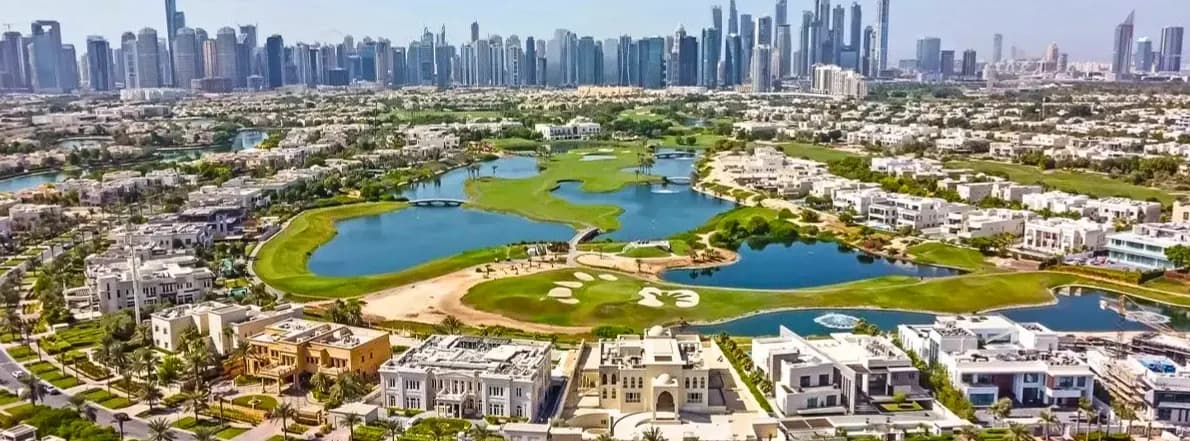
Capital Appreciation: The increase in a property's value over time is called Capital Appreciation. In Dubai-like markets, property growth depends significantly on the market conditions. Many investors follow a strategy of buying a property, typically during the launch and pre-launch phases, and selling after some time when prices have substantially increased. High-end areas such as Dubai Hills Estate, Downtown Dubai, and Palm Jumeirah have shown stronger capital appreciation in the past decades.
Rental Income: The steady cash flow generated from leasing a property is called rental income. As these are predictable and least influenced by market fluctuations, most first-time investors prefer this kind of yield. Generally, the average annual rental return an owner earns in Dubai lies between 5% and 9%, especially in suburban and rural areas near mega developments or metro cities. Properties like studio apartments and 1- and 2-bedroom apartments perform better than premium or luxury properties such as 3- and 4-bedroom apartments, penthouses, and villas.
In the context of Dubai's Real Estate Market 2026, there has been a shift among investors towards generating rental income rather than focusing on capital appreciation. Some experts see this as a shift in buyers' focus, with buyers more attracted to properties that generate regular income rather than those that may appreciate over the long term.
The right decision is always in the context of investment objectives; if it's aligned, it works; if not, the strategy needs to be changed. In your case, you have to analyze your investment horizon, financial goals, and risk capacity. You can keep a hybrid strategy that may work better for you. You can invest in off-plan for capital appreciation, then hold it till establishment. Renting it for a while and reinvesting the rental income in mega projects. These pointers will help you make a decision.
Dubai's property market is showing potential growth in both capital appreciation and rental income, as many economists and real estate experts are suggesting planning strategies aligned with their long-term goals, considering the affecting factors and market trends. Through this guide, you have understood which works best for you. So, whether you are looking for long-term growth or short-term passive income, the decision is now up to you: choose capital appreciation, rental income, or both proportionally.






 Blog
Blog