


Please fill out this form with the required information

 Feb 02, 2026
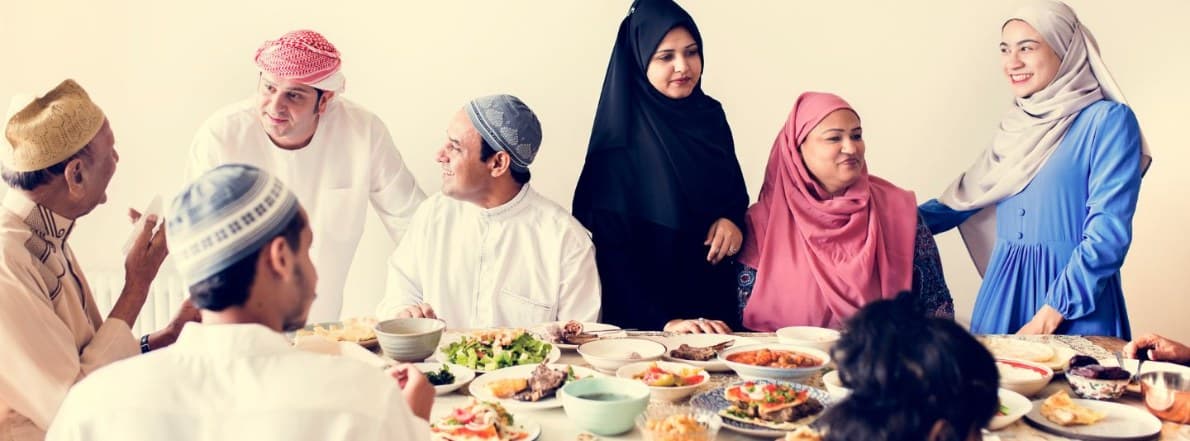
Ramadan is the holy month of Islam. Celebrated with spiritualism and purity towards the divine, it is a time to seek forgiveness and salvation by delving into the depths of Islamic teachings. The festival is of great value to all the believers. The month is pious as the guiding light of the religion, the holy Quran, revealed itself to the Prophet Mohammad, especially on the Night of Power, Laylat-al-Qadr. Ramadan is a time of intense fasting from sunrise to sunset, during which one forgoes food and drink. The main idea behind the festival is to bring humans closer to the divine, but exempting them from any sins, such as gluttony, lying, gossiping, intimacy, backbiting, or arguing. With this constant awareness of God, Ramadan brings happiness by reviving the family traditions. People around the world celebrate Ramadan in their own special ways. So, let's dive into the different parts of the world and see how they celebrate Ramadan.
The festival honoring the Quran begins a week before the holy month in Indonesia. People make this festival a way to honor their ancestors and connect with them through the medium of divinity; they have to cleanse their bodies and souls. The ritual is performed differently throughout Indonesia, but the foundation remains the same. In the region of Java, as part of the Nyekar, families visit their ancestors' cemeteries and pay tribute by offering rose petals on their graves. Meanwhile, in Yogyakarta, a day before Ramadan, people perform Padusan, a holy dip in the natural springs or lakes for cleansing. In the Aceh region, a traditional dish called Meugang, made from beef, goat, or buffalo, is prepared and served at family dinners before Ramadan begins.
To bind the community together and get into the spirit of festivities, the Nafars awaken the city of Morocco together. There is a morning prayer that starts the day in the month of Ramadan, and to reduce the risk of people missing it, the Nafars roam through different lanes and streets, performing the melodic prayer on a musical horn or trumpet. Nafars are dressed in the traditional attire of Gandora (a robe-like coat), slippers, and wear an Islamic hat. The families wake up to the music and begin preparing for the prayer and the morning meal of Suhoor.
To get into the festival vibe, Egypt is decorated with lanterns, also called Fanoos, on every street and lane. The lanterns symbolize the light and joy the festival is meant to bring to believers' lives. Though the origin of Egypt's lanterns cannot be traced, people in different regions hold different narratives passed down from their ancestors. One story states that lanterns were lit on the fifth day of Ramadan in the year 358 AH, when Fatimid Caliph Moaezz El-Din El-Allah entered the city of Cairo with his army for the first time. Upon his arrival, the people noticed that the candles showing them the way might flicker out, so they covered them with wooden frames. These wooden frames were later changed into lanterns. They welcomed them with open hearts and celebrated his arrival.
Ramadan is celebrated as a charitable occasion in Pakistan. This month is dedicated to serving people of all backgrounds. People take over streets, lanes, and mosques to set up massive dastarkhwans for distribution. The belief behind this ritual is that no one should sleep on an empty stomach on such a day. The dastarkhwan-e-Ramadan features a rich spread of traditional fried foods to start the day, including fruit chaat, dahi bhalle, pakoras, dates, rooh afza, and fresh lime. With the grand meal in the morning, the festival fosters social solidarity and marks the beginning of the month-long fast.
The tradition of Sehriwala or Zoohridaar has its cultural origins in the ancient Mughal invasion. Some men worked as the Sehriwalas or the Zoohridaars, and they would wake up an hour before sunrise and roam from street to street, shouting the word "Utho Saheriyaan, Utho, meaning Wake up for Suhoor, Wake Up. Sehri or Suhoor is the pre-dawn meal that is eaten before the day-long fasting, so the name is derived from this word. The sehriwalas can alter their hymns and sing ballads in the name of their Allah as well. These traditions have been passed down to the next generation, too, keeping the traditional ways of sehriwalas alive rather than alarm clocks and phone reminders.
Turkey has a different tradition of celebrating Ramadan. The people in each locality hire a drummer boy, known as Suhoor Drummers, to wake the locality before morning prayers. The traditional drums are called Davul. The hired Suhoor drummers are dressed in traditional Ottoman attire and roam, beating their drums. All the streets of Turkey light up during the month, and the Mosques shine bright even from a distance. The minarets feature a light show with Quranic quotes displayed. Turkey ditches the date ritual followed by the rest of the world to break the fast and pick their traditional Pidesi, a flatbread with patterns and sesame seeds. The dish is served with gravy, meat, or soup.
Malaysia has its own Ramadan food festival that takes over the cities and sends people into a food coma. It is a vibrant time, culturally significant for the month of Ramadan. Malaysian street food is brought to the streets and attracts global attention. People are excited to showcase their culture, lifestyle, and traditions in the holy month. Since people fast for the entire day for the whole of the month, the market is where they break their fast with their favourite food. The Bazaars have all kinds of food, from the spiciest Nasi Kerabu to the sweet Kuih-Muih. With economic growth, bazaars bring prosperity and success to people.
Following the tradition of the Drummers of Turkey, Syria takes it a step further by cannon firing. The cannons are fired in the morning before the prayer and the morning meal to wake people up and serve as an alarm or reminder. It is the most popular tradition performed at the start of Maghreb prayers. Started in Syria, now this tradition has been adopted by many muslim countries such as Egypt, UAE, Bangladesh, Kuwait, and the mountainous regions of Makkah. This tradition is handled only by the police with caution as the sun rises and sets. The history of this tradition goes back to the 15th or 19th century. People say that the then-ruling Sultan wanted to test fire their new cannon, and the prayer coincidentally matched the timing, and since then, it has been followed.
Ramadan is a time to honour the elderly in the Philippines. In each family, the younger members seek blessings from the older as a form of respect. It is a traditional method in which the younger hold the elders' right hands, press them to their foreheads, and say 'Mano Po', which means 'respect passed from hands'. It is a common practice that symbolizes filial piety and gratitude for the love and knowledge passed down from elders. The gestures are also common among Indonesians, Malaysians, and Europeans. There is no specific age to offer the mano, making himself subservient to the elders and also accepting their blessing and wisdom. It is considered impolite, rude, and ill-mannered if a young member does not participate in this ritual.
In South Africa, Ramadan is celebrated with a unique and beautiful tradition: Moon Watchers, or Maan Kykers. These are appointed personnel tasked with informing people in South Africa about the moon's position and when to break their fast and celebrate Eid al-Fitr. The tradition is a communal practice of sighting the hilaal to see the beginning of the new lunar months. The Maan Kykers stand on top of Signal Hill, which is the Sea Point promenade, or at Three Anchor Bay, to see the crescent moon themselves and then inform the rest of the people about it. The ministers, currently thirty, are appointed directly by the South African Muslim Judicial Council. With this, Ramadan comes to an end.
Conclusion: Billions of people worldwide celebrate Ramazan. Each country celebrates the festival in its own way, making it unique by carrying forward traditions passed down from its ancestors. People all over the world celebrate this festival in their own way. In this post, you will see the beautiful Ramadan traditions you are missing out on and should make time for at some point.
1. Why is the festival of Ramadan celebrated worldwide?
Ramadan is a holy month in the Islamic calendar that commemorates the first revelation of the Quran to the Prophet Muhammad.
2. What is Suhoor in the Ramadan festival?
Suhoor is the pre-dawn meal that is eaten before the day-long fast in the month of Ramadan.
3. Can anyone with a different religious background eat the Dastarkhwan-e-Ramadan in Pakistan?
Yes, people with different religious backgrounds can eat at the Dastarkhwan-e-Ramadan in Pakistan.
4. What is the purpose of Padusan in Ramadan?
Padusan is performed to cleanse the body and the soul before the holy month of Ramadan begins.
5. Is the cannon-firing tradition a part of Saudi Arabia's Ramadan culture as well?
Yes, cannon firing is also part of Saudi Arabia's Ramadan tradition.








 Home
Home